
Hoogtepunten
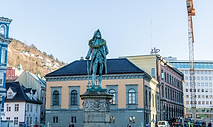
- Sta voor het monument waarvan de beeldhouwer geen zeelieden kon vinden om te modeleren, en daarom boeren van het platteland gebruikte
- Volg hoe een gewelddadig slagveld in Schotland een reeks gebeurtenissen in gang zette die Noordwegen's grootste componist generaties later voortbracht
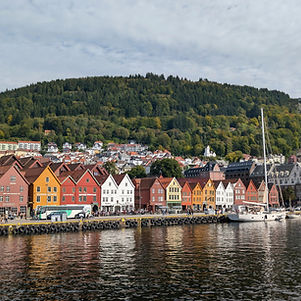
- Breng de schuldenval in kaart die noordelijke vissers eeuwenlang aan buitenlandse kooplieden bond
- Vind de verborgen radiohut waar jonge verzetsstrijders vanuit de oude Duitse wijk nazischeepsposities naar de Britten uitzonden
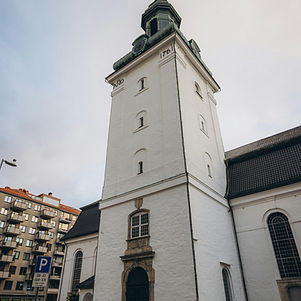
- Zoek naar een zeventiende-eeuwse kanonskogel die in een kerkmuur is ingebed, achtergelaten door een geheime deal die spectaculair mislukte
Stop bekijken
Over deze activiteit
Gratis annulering
Annuleer tot 2 uur van tevoren voor een volledige terugbetaling
Geldig 365 dagen
Tour is 1 jaar geldig en kan meerdere keren worden gebruikt
Taalopties
Engels | Frans | Duits | Spaans | Italiaans | Nederlands | Pools | Russisch | Portugees
Duur
1 uur en 30 minuten
Itinerary
Torgallmenningen
Stand on the boulevard that exists only because this city burned down fourteen times.
Sailor's Monument
Search for the farmer's face hiding among twelve bronze seafarers.
Den blå steinen
Pause at the grey rock locals argued about for years, until one day changed its meaning forever.
Ole Bulls plass
Meet the violinist who bought eleven thousand acres in Pennsylvania to build a utopia, then lost it all within a year.
Byparken
Trace how a Scottish exile after a brutal battlefield led, generations later, to Norway's greatest composer.
Veum Kyrkje
Find the bronze detective whose fictional office sits in the building right behind him.
Fishmarket in Bergen
Walk where fishermen rowed thousands of kilometres in open boats just to sell their catch.
Skostredet
Step into the street where Norwegian shoemakers were forbidden from learning their own trade.
Leprosy Museum St. Jørgen's Hospital
Hear how a breakthrough discovery and a doctor's unforgivable experiment happened under the same roof.
Domkirken (Bergen Cathedral)
Look for the cannonball still lodged in the wall from a secret deal that arrived six days too late.
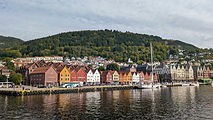
Hansakvarteret Bryggen
Piece together the credit trap that kept generations of fishermen in debt to foreign merchants.
Bryggen
Read the medieval love notes and crude jokes scratched into wood beneath a UNESCO World Heritage Site.
Bryggens Museum - Bymuseet i Bergen
Consider how the buildings locals wanted demolished became the city's proudest heritage site.
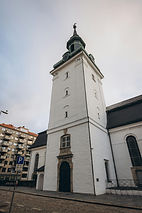
St. Mary's Church
Enter the Norwegian church that held German-only services for over three hundred and fifty years.
The Rosenkrantz Tower - Bymuseet I Bergen
Peer into the cell where five prisoners shared a space barely wider than a coffin for thirteen months.
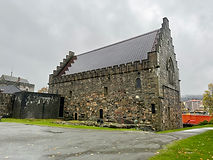
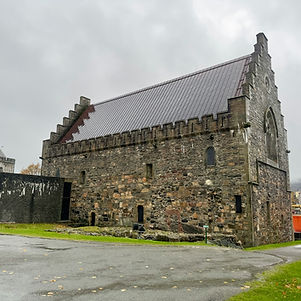
Håkonshallen - Bymuseet i Bergen
Picture a king crowned in a boathouse because his city had no building grand enough for the ceremony.
Bergenhus Fortress
Stand where sacred shrines, royal tombs, and a relic from France were all scraped away to make room for cannons.
Wolven, Vikingen, Kabeljauw en Kanonskogels Tour van Bergen
Verken Bergen tijdens een korte zelfgeleide wandeling langs kleurrijke havenfronten, historische handelswerven, en een stadspoort gevormd door fjorden en zeemanscultuur.
4.7
( 28 beoordelingen )
$6.99
Free Cancellation
Cancel up to 2 hours in advance for full refund

Walk by Tourific
Instant tour access


OF
Download de app voor directe toegang tot de tour.


Top Reviews
Rylan
De geschiedenis van Bergen.
28 juli 2026
Volledige Beschrijving
Belangrijke Informatie
Instructies met een link naar de app en hoe de tour te openen worden na het afrekenen naar je e-mail gestuurd
Je kunt direct toegang krijgen tot de tour door de app te downloaden en de tour in de app te kopen