
Madrid Old Town Self Guided Tour with Mobile App
5
( 7 reviews )
$6.99
Walk Madrid’s grand boulevards and plazas where royal palaces, art, and vibrant tapas culture meet.
Highlights
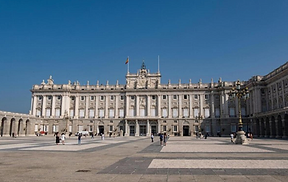
Learn about the history of Royal palace of Madrid and why it was constructed at its current location
Vist Puerta de Alcalá and get to know what the sculptor wanted to convey through the design of the gate.
Savour your food cravings at St.Michel's market with food recommendations from our expert.
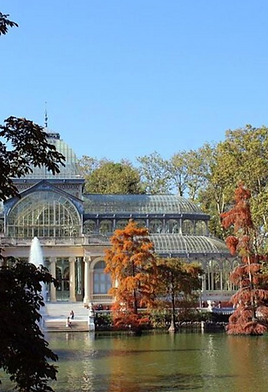
End your trip at Retiro park as you get to know more about Crystal palace and fallen angel fountain.
Preview Stop
About this activity
Free Cancellation
Cancel up to 2 hours in advance for a full refund
Valid 365 days
Tour is valid for 1 year and can be used multiple times
Language Options
English | French | German | Spanish | Italian | Dutch | Polish | Russian | Portuguese
Duration
1 hour and 30 minutes
Itinerary
Royal Palace of Madrid
Start the tour at the Royal palace of Madrid, know about the history, why the palace was built at this location and tragedy that struck the palace in 17th century.
Plaza de Oriente
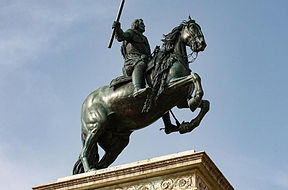
Get to know the connection of Galileo to the status of King Philip IV.
Catedral de Sta Maria la Real de la Almudena
Get to know more about Almudena Cathedral and the key highlights of the cathedral.
Casa de la Villa
Know more about the Habsburg connection to the architecture style and the reason behind the funny jawlines of the Habsburg in old portraits.
Casa Hernanz
Visit the iconic store selling beautiful handmade espadrilles since 1845.
Puerta del Sol
Visit Puerta del Sol and take a picture with the kilometre zero plaque.
Chocolatería San Ginés
Visit the most famous churros place in Madrid.
BOTIN
Visit one of the oldest restaurants in Spain which still uses old cooking methods.
El Retiro Park
Walk to the Retiro park and visit the crystal palace and uncover the stories represented by the fountain of fallen angel.
Plaza Mayor
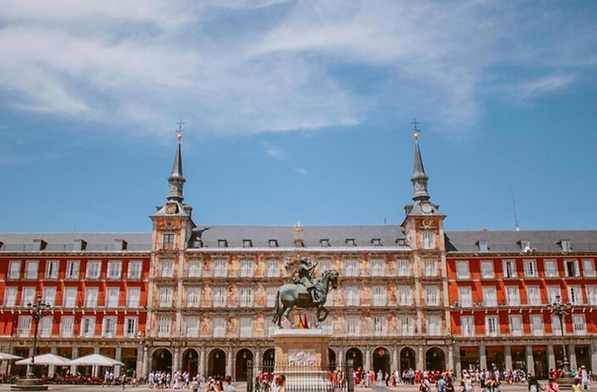
Visit Plaza Mayor, one of the most visited square in Madrid and know the history of it origin.
Puerta de Alcala
Explore the iconic Puerta de Alcalá and discover the meanings behind the sculptures adorning this historical gate.
Pontifical Basilica of Saint Michael
Visit St. Michael’s Basilica, a Baroque marvel from the 18th century.
OR
Download app for instant tour access


Top Reviews
Mars
A very flexible and informative city tour.
30 June 2026
Full Description
Important Information
Instructions with link to app and how to access the tour will be sent to your email post checkout
You can gain instant access to the tour by downloading the app and buying the tour on the app.