
Self Guided Wroclaw Walk: Legends and Landmarks
4.72
( 78 reviews )
$6.99
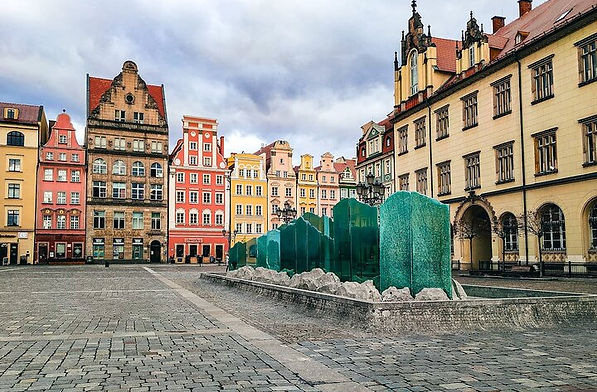


Discover Wrocław’s vibrant history, colorful architecture, and hidden stories on a self-guided walking tour.
Highlights
Discover the the most famous spots in the old town like the Old Town hall, Hansel and Gretel buildings and the University where Nobel Prize minds once studied
Find out how the dwarf statues originated and became so famous and why there are so many bridges in Wroclaw
Hear both real stories and folk tales and legends ranging from witches to phantoms and dumplings to bears
Preview Stop
About this activity
Free Cancellation
Cancel up to 2 hours in advance for a full refund
Valid 365 days
Tour is valid for 1 year and can be used multiple times
Language Options
English | French | German | Spanish | Italian | Dutch | Polish | Russian | Portuguese
Duration
1 hour and 30 minutes
Itinerary
Market Square
Step into the heart of Wrocław to discover tales of dwarfs, ordinary people, a centuries old restaurant and more
John and Margaret House
Meet “Hansel and Gretel,” the storybook pair guarding St. Elizabeth’s Church.
St Elizabeth of Hungary Roman Catholic Church
Gaze up at one of the city’s tallest Gothic towers before hearing of its phantom legend.
Slaughtered Animals Monument
Admire a unique bronze tribute to Wrocław’s medieval butchers.
Wroclaw University
Stand before a Baroque masterpiece that shaped Nobel minds and student pranks alike.
Bar mleczny Miś
Hear about traditional milk bars and the amazing story of Wojtek the Soldier Bear.
St. Mary Magdalene Church
Hear the legend of the penitent bridge
Ostrow Tumski - (Cathedral Island)
Hear about the numerous bridges and an ancient tradition that is still kept alive by the city
Wrocław Cathedral
End your walk near this Gothic splendour on Cathedral Island.
OR
Download app for instant tour access


Top Reviews
Cassca
Just right walking tour of Wroclaw
30 June 2026
Janyce
Fun and enjoyable self guided tour.
23 June 2026
Malcolm
Easy and informative
17 June 2026
Full Description
Important Information
Instructions with link to app and how to access the tour will be sent to your email post checkout
You can gain instant access to the tour by downloading the app and buying the tour on the app