
Vienna Self Guided Walking Tour, Royal traditions & Cafe Culture
4.4
( 14 reviews )
$5.99


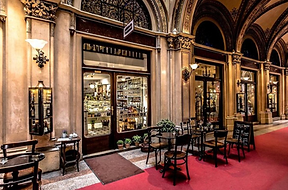
Discover the highlights and hidden gems of Central Vienna with this self-guided tour that allows you to explore at your own pace, stopping to enter the sights or grab some coffee when you wish to.
Highlights
Unravel the stories and traditions of the Hapsburg empire as you visit the most famous historical sites in the city
Cover the most famous landmarks from the State Opera house to St Stephen’s cathedral and uncover hidden gems all on one tour
Discover the coffeehouse culture, famous cafes and the stories behind the most famous dessert in Vienna
Learn about the Royals, intellectuals (like Freud) and musicians (like Mozart) who called Vienna their home
Preview Stop
About this activity
Free Cancellation
Cancel up to 2 hours in advance for a full refund
Valid 365 days
Tour is valid for 1 year and can be used multiple times
Language Options
English | French | German | Spanish | Italian | Dutch | Polish | Russian | Portuguese
Duration
1 hour and 30 minutes
Itinerary
Wiener Staatsoper
Start off by learning about the Ringstrasse and how Emperor Franz Joseph demolished medieval walls to build Europe’s most ambitious boulevard. Then look upon masterpiece with a tragic backstory.
Albertinaplatz
Discover a haunting war memorial, a world-class art collection, and Vienna’s most beloved sausage stand.
Capuchin Monastery Vienna
Pause in front of this lesser known church with 100+ Habsburg tombs and the eerie ‘Three Knocks’ burial ritual.
The Hofburg
Learn about the palace, its 2,500 rooms, Lipizzaner horses, and the building that made an emperor boycott a gate.
Café Central
Learn about the cafe culture in Vienna and some famous people who lived in the city.
Column of Pest
Hear about the monument born from 70,000 deaths.
Ankeruhr Clock
Discover an Art Nouveau masterpiece where 12 historical figures parade at noon.
Stephansplatz
End at the Cathedral with Ottoman cannonballs still embedded in the walls, catacombs below, and the square where a young Hitler once stood.
Café Sacher
Home of the famous Sachertorte and the legal battle that made it legendary.
Fuente de Donner
Find out why a prudish empress with 16 children ordered these statues removed.
OR
Download app for instant tour access


Top Reviews
Kerri
Vienna self guided walk
15 May 2026
Full Description
Important Information
Instructions with link to app and how to access the tour will be sent to your email post checkout
You can gain instant access to the tour by downloading the app and buying the tour on the app.