
Höhepunkte
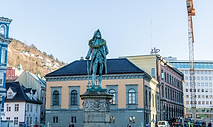
- Stehen Sie vor dem Denkmal, dessen Bildhauer keine Seeleute als Modelle finden konnte und deshalb Bauern vom Land verwendete
- Verfolgen Sie, wie ein gewalttätiges Schlachtfeld in Schottland eine Ereigniskette auslöste, die Generationen später Norwegens größten Komponisten hervorbrachte
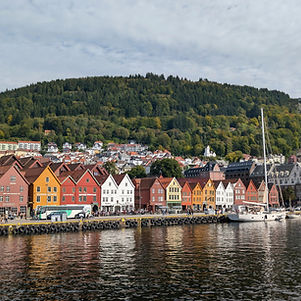
- Entschlüsseln Sie die Schuldenfalle, die nordische Fischer jahrhundertelang an ausländische Händler band
- Finden Sie den versteckten Funkraum, in dem junge Widerständler von innen aus dem alten deutschen Viertel britischen Schiffenazi-Positionen übermittelten
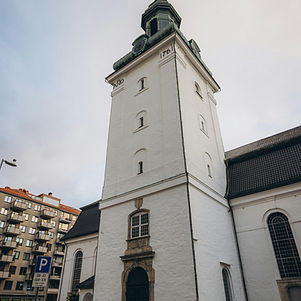
- Suchen Sie nach einer Kanonenkugel aus dem siebzehnten Jahrhundert, die in eine Kirchenmauer eingebettet ist, zurückgelassen von einem geheimer Deal, der spektakulär schiefging
Vorschau anzeigen
Über diese Aktivität
Kostenlose Stornierung
Bis zu 2 Stunden im Voraus stornieren, um eine volle Rückerstattung zu erhalten
365 Tage gültig
Tour ist 1 Jahr gültig und kann mehrmals genutzt werden
Sprachoptionen
Englisch | Französisch | Deutsch | Spanisch | Italienisch | Niederländisch | Polnisch | Russisch | Portugiesisch
Dauer
1 Stunde und 30 Minuten
Itinerary
Torgallmenningen
Stand on the boulevard that exists only because this city burned down fourteen times.
Sailor's Monument
Search for the farmer's face hiding among twelve bronze seafarers.
Den blå steinen
Pause at the grey rock locals argued about for years, until one day changed its meaning forever.
Ole Bulls plass
Meet the violinist who bought eleven thousand acres in Pennsylvania to build a utopia, then lost it all within a year.
Byparken
Trace how a Scottish exile after a brutal battlefield led, generations later, to Norway's greatest composer.
Veum Kyrkje
Find the bronze detective whose fictional office sits in the building right behind him.
Fishmarket in Bergen
Walk where fishermen rowed thousands of kilometres in open boats just to sell their catch.
Skostredet
Step into the street where Norwegian shoemakers were forbidden from learning their own trade.
Leprosy Museum St. Jørgen's Hospital
Hear how a breakthrough discovery and a doctor's unforgivable experiment happened under the same roof.
Domkirken (Bergen Cathedral)
Look for the cannonball still lodged in the wall from a secret deal that arrived six days too late.
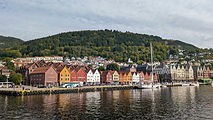
Hansakvarteret Bryggen
Piece together the credit trap that kept generations of fishermen in debt to foreign merchants.
Bryggen
Read the medieval love notes and crude jokes scratched into wood beneath a UNESCO World Heritage Site.
Bryggens Museum - Bymuseet i Bergen
Consider how the buildings locals wanted demolished became the city's proudest heritage site.
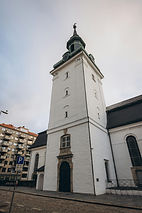
St. Mary's Church
Enter the Norwegian church that held German-only services for over three hundred and fifty years.
The Rosenkrantz Tower - Bymuseet I Bergen
Peer into the cell where five prisoners shared a space barely wider than a coffin for thirteen months.
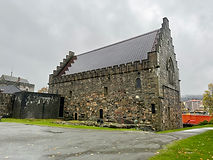
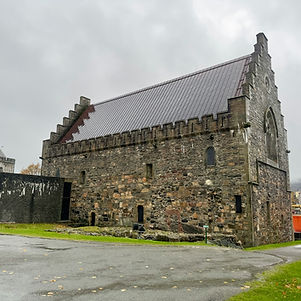
Håkonshallen - Bymuseet i Bergen
Picture a king crowned in a boathouse because his city had no building grand enough for the ceremony.
Bergenhus Fortress
Stand where sacred shrines, royal tombs, and a relic from France were all scraped away to make room for cannons.
Wölfe, Wikinger, Kabeljau und Kanonenkugeln Tour durch Bergen
Erkunden Sie Bergen auf einem kurzen selbstgeführten Spaziergang durch bunte Hafenfronten, historische Kais und eine Torstadt geprägt von Fjorden und Seefahrtstraditionen.
4.7
( 28 Bewertungen )
$6.99
Free Cancellation
Cancel up to 2 hours in advance for full refund

Walk by Tourific
Instant tour access


ODER
App herunterladen für sofortigen Zugang zur Tour


Top Reviews
Rylan
Bergens Geschichte.
28. Juli 2026
Vollständige Beschreibung
Wichtige Informationen
Anweisungen mit Link zur App und wie Sie auf die Tour zugreifen können, werden nach dem Checkout an Ihre E-Mail gesendet
Sie können sofortigen Zugang zur Tour erhalten, indem Sie die App herunterladen und die Tour in der App kaufen